Indonesia Halal Certification for Imported Products: What Applies After Government Regulation 40/2026?
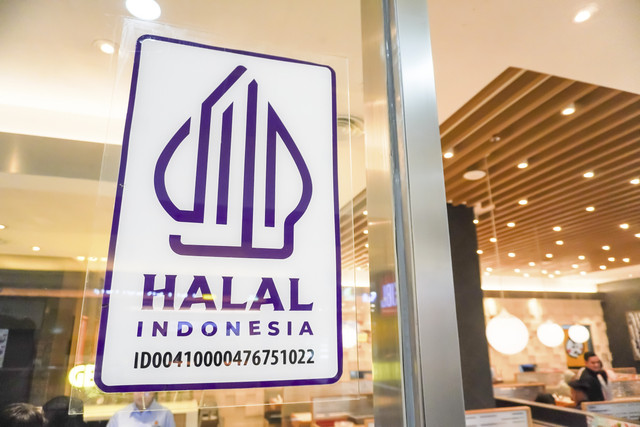
Indonesia’s halal certification timetable changed when Government Regulation (GR) No. 40 of 2026 took effect on 14 October 2026. For imported food, beverages, slaughter products, and slaughtering services, the certification obligation begins on 18 October 2028. This matters to overseas manufacturers, Indonesian importers, distributors, and logistics providers. The extension does not waive import permits, food safety rules, customs requirements, or other product controls.
What Does GR 40/2026 Change?
GR 40/2026 amends Articles 160 and 161 of GR 42/2024 on Halal Product Assurance. The government adjusted implementation phases in light of business readiness, halal inspection capacity, auditors, supporting infrastructure, and mutual recognition arrangements with foreign halal bodies. The extension changes deadlines; it does not abolish halal certification obligations.
Halal Certification Timeline
For food, beverages, slaughter products, and slaughtering services supplied by medium and large domestic businesses, the transition period ended on 17 October 2024. For micro and small domestic businesses, it runs through 17 October 2028. For products and relevant services originating abroad, mandatory certification begins on 18 October 2028, taking into account completion of mutual recognition arrangements. Related services other than slaughtering services also begin on 18 October 2028.
Can Food Be Imported Without a Halal Certificate Before 2028?
The transition period for the specified foreign-origin product groups remains in effect until the applicable deadline. This does not create unrestricted import access. Importers must still check HS classification, import prohibitions and restrictions, BPOM marketing authorization where applicable, quarantine requirements, labeling, customs documentation, and import duties and taxes. Halal certification, marketing authorization, and customs clearance are distinct obligations.
What About Non-Halal Products?
Products made from prohibited ingredients are exempt from halal certification under Indonesia’s halal assurance framework, but must carry non-halal information as required by law. This exemption does not remove food safety, labeling, licensing, or other import requirements.
Recognition of Foreign Halal Certificates
A halal certificate issued abroad is not automatically recognized in Indonesia. Recognition depends on BPJPH requirements, the issuing body, product scope, and relevant mutual recognition arrangements. Article II of GR 40/2026 also revokes previous implementing provisions on conformity assurance for foreign halal products entering Indonesia. Importers should follow the latest implementing rules rather than relying on superseded procedures.
Cosmetics, Medicines, and Other Products
GR 40/2026 also adjusts phase-in periods for cosmetics, natural medicines, quasi-drugs, health supplements, chemical and genetically engineered products, certain consumer goods, and medical devices. Several categories have transition periods through 17 October 2028; over-the-counter medicines through 17 October 2029; and prescription medicines other than psychotropics through 17 October 2034. Businesses should verify the precise classification and deadline for each product.
Documents and Importer Preparation
Depending on the goods, importers may need commercial invoices, packing lists, Bills of Lading or Air Waybills, customs declarations, technical permits, ingredients and product specifications, labels, and relevant halal documents. Before October 2028, businesses should map affected products and suppliers, check foreign halal certification status, update documentation, and monitor BPJPH and other competent authorities.
Impact on Customs Clearance
The halal deadline extension does not waive customs declarations, import duties and taxes, or import restrictions. Certain foods and consumer goods may still require BPOM authorization or inspection by other authorities. Checking documents before dispatch can reduce the risk of clearance delays.
International Shipping Solutions with UKURIR
UKURIR brings together Domestic Courier, International Courier, Air Freight, Sea Freight, Freight Forwarding, and supporting logistics options in one application. Customers can compare available services according to cargo characteristics and destination. For regulated products, import compliance should be confirmed before shipment. Compare. Book. Ship. In One Platform.
Conclusion
As of 24 October 2026, the halal certification obligation for the specified foreign-origin food, beverage, slaughter-product, and slaughtering-service groups is scheduled to begin on 18 October 2028 under GR 40/2026. Importers can use the additional time to prepare supplier documentation and compliance processes, while continuing to meet all applicable customs, food safety, and licensing requirements.
Regulatory References
- Peraturan Pemerintah No. 40 Tahun 2026 (perubahan atas PP No. 42 Tahun 2024).
- Peraturan Pemerintah No. 42 Tahun 2024 tentang Penyelenggaraan Bidang Jaminan Produk Halal.
- Undang-Undang No. 33 Tahun 2014 tentang Jaminan Produk Halal beserta perubahannya.
Disclaimer: For general information only; verify current official requirements before importing.